
What Is a PVD Coating?
PVD (Physical Vapor Deposition) is an advanced technology that applies a thin yet extremely strong layer of metal onto a base material such as stainless steel. This coating not only gives a rich color and shine but also enhances resistance to wear, scratches, corrosion, and harsh chemicals.
Benefits of PVD Coating:
Exceptional durability
Scratch- and stain-resistant
Easy to clean
Luxurious appearance
Eco-friendly production process
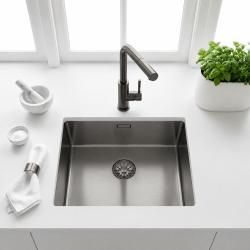
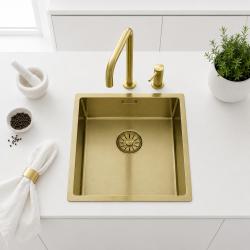
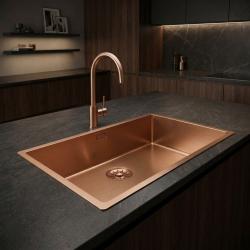
Elevate Your Kitchen with PVD



Daily Maintenance
Use a soft cloth or non-abrasive sponge with warm water and a mild dish soap.
Rinse thoroughly and dry immediately with a soft towel to prevent water spots.
Do not leave soap residue or food waste in the sink – it may cause buildup and dull the finish.
Weekly Deep Cleaning
Make a gentle paste using baking soda and water and use it to clean the surface gently.
For limescale or water spots, soak a soft cloth in white vinegar and place it over the affected area for 10 minutes. Wipe gently and rinse well.
Important: Never let vinegar sit on the surface for too long. Always rinse thoroughly!
What to Avoid
Bleach, ammonia, and harsh chemicals – they can cause permanent damage to the coating.
Steel wool or rough scrubbers – these will scratch and ruin the finish.
Powder-based abrasives – they can dull the surface and strip the color.
Prolonged exposure to acids or alkalis – this may compromise the coating’s integrity.
Elevate Your Kitchen with PVD


Extra Tips and Tricks
Use a dish rack or drying mat to prevent standing water or soap buildup.
Install a water filter if you have hard water – this helps reduce mineral deposits.
Apply a special PVD surface protector spray once a month to keep it shiny and protected.
Always dry your sink after use – this is the best way to prevent spots, buildup, and fading.
With just a little care and the right routine, your PVD-coated sink will stay as beautiful as the day it was installed. These sinks don’t just add luxury to your kitchen – they repay you with years of reliable use.
Loriano – your destination for premium products and expert support whenever you need it.
Because style starts with the details.
Frequently Asked Questions
Can a PVD coating be repaired if it's scratched?
Light surface marks can often be minimized with gentle care, but a deep scratch that exposes the base metal usually can't be restored, since PVD is a thin applied layer, not a solid-color material throughout.
How long does a PVD coating typically last?
With proper care, avoiding harsh chemicals and abrasive tools, a PVD coating is designed to hold its color and finish for many years of daily use.
Can I use the same cleaner on a PVD sink as a regular stainless steel sink?
Mild soap and warm water work for both, but PVD surfaces need extra caution with acidic cleaners like vinegar; always rinse quickly rather than letting it sit.
Why shouldn't I use steel wool on a PVD sink?
Steel wool is abrasive enough to scratch through the thin coating layer, exposing the base metal underneath.
Does hard water damage a PVD coating?
Not directly, but limescale buildup can dull the finish over time if left unaddressed; a water filter reduces this buildup.
Is a protective spray necessary for PVD sinks?
It's not required, but a monthly application designed specifically for PVD surfaces helps maintain shine and adds a layer of protection.
Can I mix baking soda and vinegar directly on a PVD surface?
Yes, in the same limited way used on other sink materials, brief contact, then thorough rinsing; prolonged acid exposure is what causes damage, not the ingredients themselves.
What's the difference between PVD gold, copper, and gun metal finishes in terms of care?
None. All three are the same PVD technology in different colors, so the same care routine applies regardless of which finish you choose.


